
Care that arrives early and stays late.
Our work is built around four kinds of support. Together they hold a child steady through childhood and into an independent life.
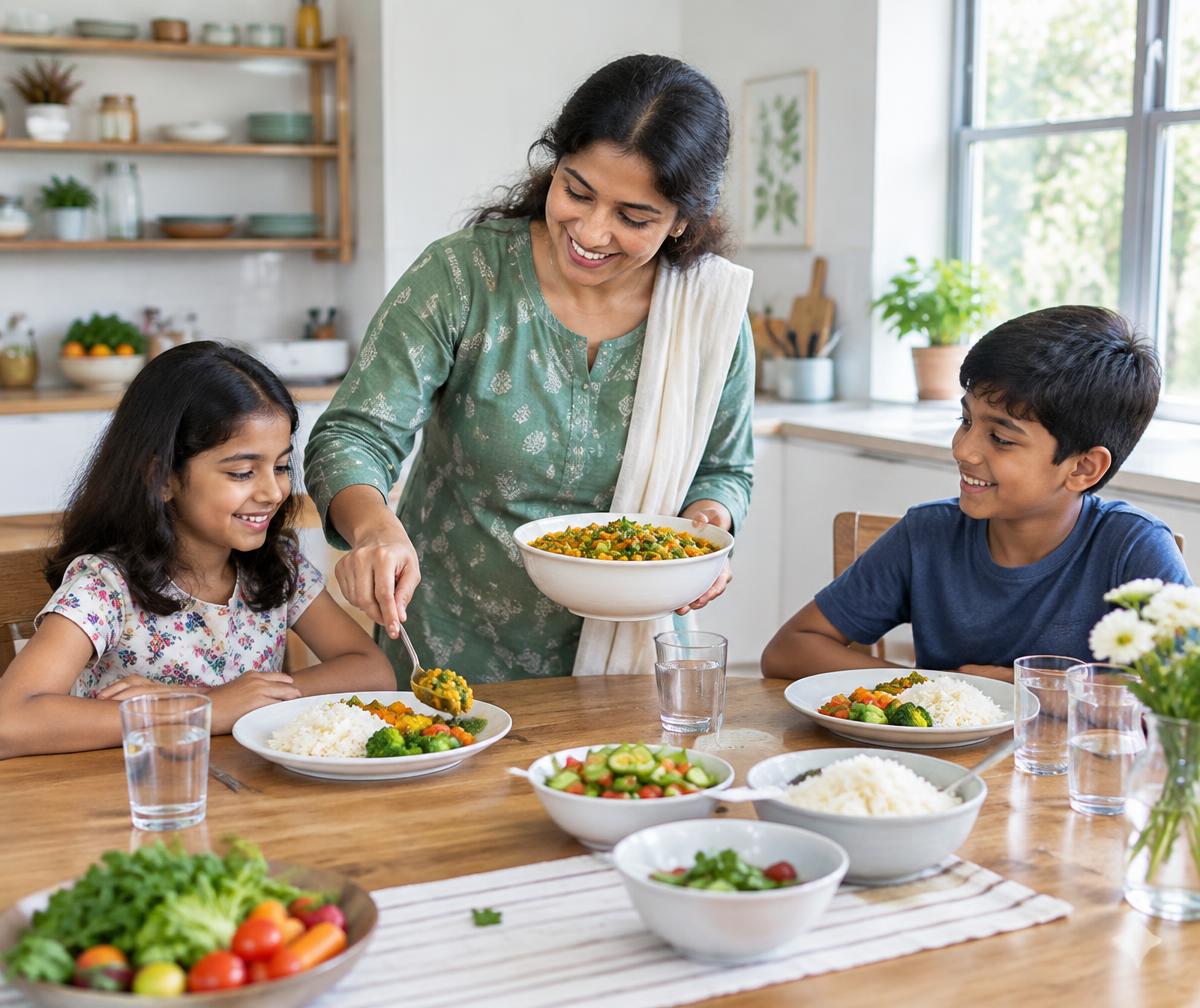
Everyday Care
The things no child should have to worry about.Before a child can learn or dream, they need to be warm, fed and well. We support the daily essentials that make everything else possible.
- Food programmes, nourishing meals and clean drinking water
- Clothing, hygiene support and daily necessities
- Medical care, medicine and health checks
- Safe, settled accommodation and a caring environment
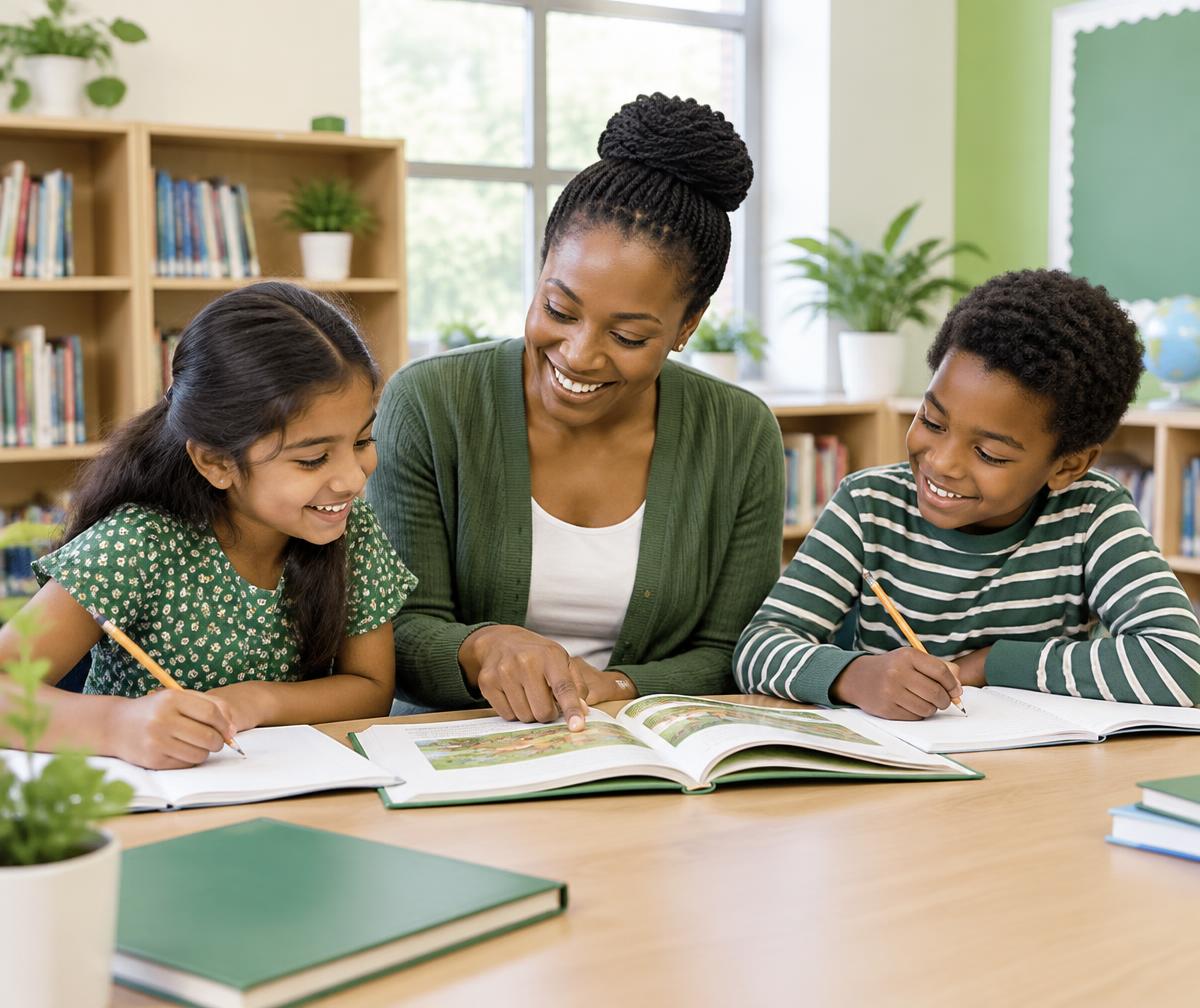
Education
A future a child can choose for themselves.Education is the surest way a child moves from being cared for to standing on their own. We support learning at every stage, and we stay with a child through it.
- School fees and school places
- Books, uniforms and learning materials
- University scholarships and support for further study
- Vocational training and practical life skills
- Mentoring, tutoring and steady encouragement
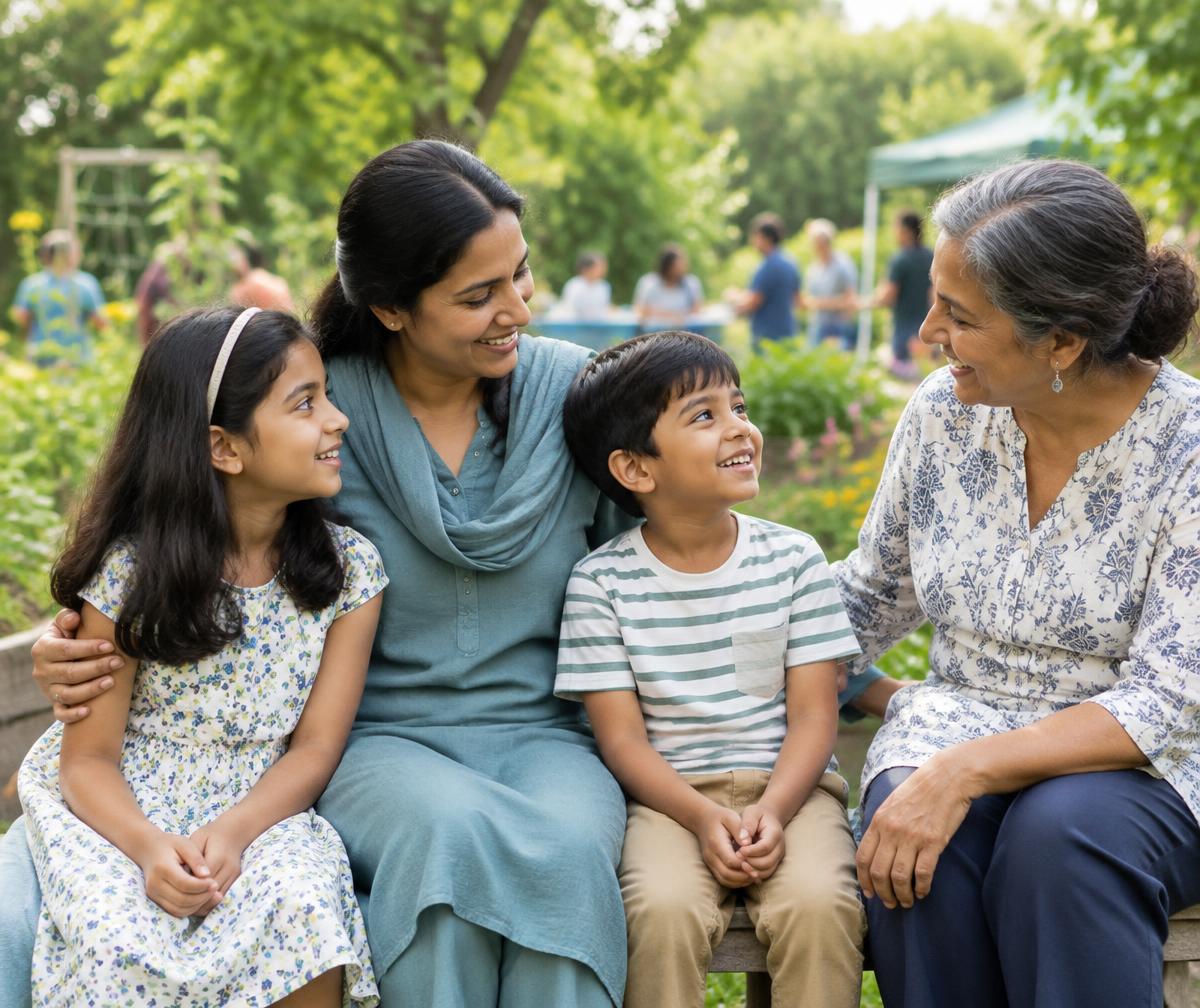
Family & Community
Strengthening the people around a child.Wherever possible, the best place for a child is with the family who loves them. Supporting a widowed mother or a struggling household often keeps a child out of institutional care altogether.
- Practical support for widowed mothers and single-parent families
- Help for relatives and guardians raising a child
- Support for children's homes and orphanages — including building, repairs and maintenance
- Emotional support, mentoring and positive role models
- Guidance, advocacy and community connection
Emergency Relief
Help when everything changes at once.When crisis strikes — illness, displacement, disaster or sudden loss — the aim is simple: to keep a temporary emergency from becoming a permanent disadvantage.
- Immediate essentials for children and families in crisis
- Emergency shelter and medical support
- Help returning a child to school after disruption
- Longer-term support once the emergency has passed

None of it is extraordinary.
All of it is everything.
A safe place to sleep. A school desk to return to. Medicine when they are ill. Someone who knows their name. A reason to believe in later.
Six circles of care.
Orphans
Children who have lost one or both parents, and who need someone to step in and stay.
Vulnerable children
Children at risk through poverty, illness, disability or displacement.
Widowed mothers
Mothers raising children alone under real financial and emotional pressure.
Single-parent families
Households holding everything together with very little support around them.
Children in orphanages
Children living in residential care who deserve quality support, dignity and opportunity.
Children in poverty
Children whose learning, health and wellbeing are held back by hardship.
Here at home, and far beyond it.
The Foundation supports children in the United Kingdom and internationally. We do not believe a child's need is greater or lesser because of the country they were born in. What guides us is where the need is real, where a trusted partner can deliver, and where our support can last.
Children, not case numbers.
We describe the children we serve with care. We do not publish images of distressed children, we do not stage hardship, and we never share detail that could identify a child's home or school. The four support images on this page are AI-generated illustrations, not photographs of Foundation projects or beneficiaries. Photographs of children require the written consent of a parent or guardian.
The difference, rippling outward.
Education and literacy
A child who stays in school gains the one advantage no hardship can take back.
Health and wellbeing
Care, nourishment and emotional support change how a child grows, in body and in mind.
Poverty broken across generations
A child who finds work and confidence rarely passes hardship down to their own children.
Protection from exploitation
A child who is known, schooled and accounted for is far harder to exploit or forget.
Stronger communities
Supported children grow into the teachers, tradespeople and carers a community depends on.
Hope for the generation after
Children who were held tend to become adults who hold others.
A supported child becomes a confident adult.
Someone who contributes to their family, their society and the generations that follow. That is the whole of it: the circumstances a child is born into should never set the limits of their life.